 Sciencepulse
A Churning Mantle May Be Behind Earth's Missing Rock Record
Science·November 8, 2026
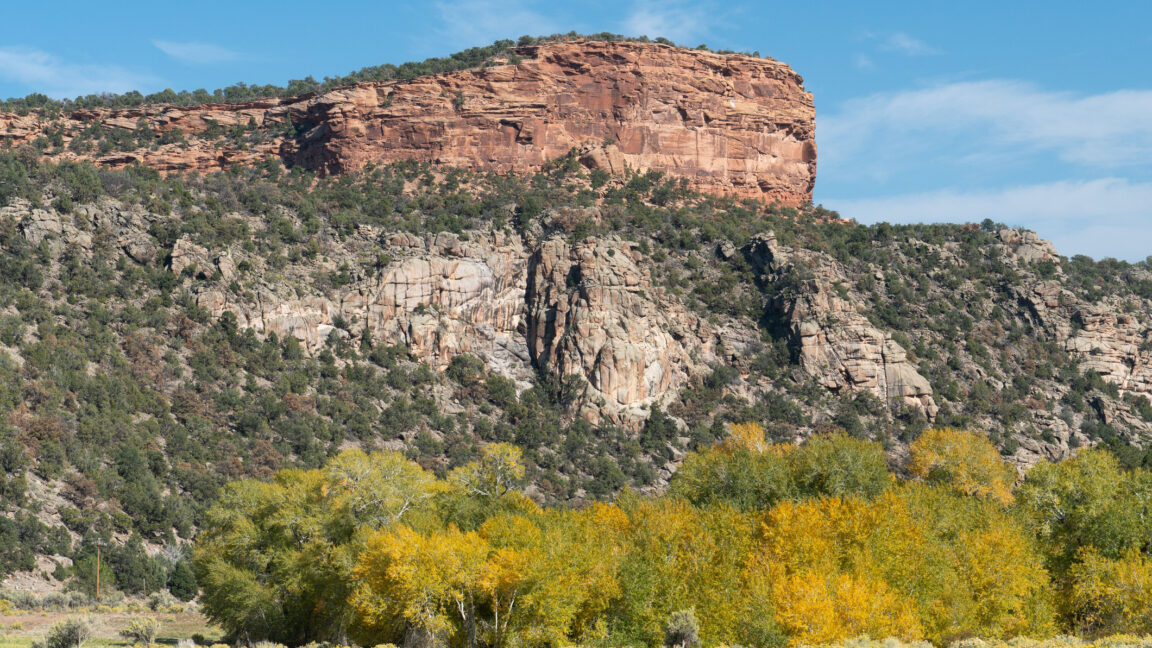
Walk along the walls of the Grand Canyon and you can see one of geology's oldest puzzles. Sandstone and shale from the Cambrian period, roughly 500 million years old, sit directly on top of rock that formed far earlier, in some places more than a billion years before. The time in between is simply gone. Geologists call this boundary the Great Unconformity, and explaining where that missing time went has been a long-running argument.
A new line of thinking points deep below the surface. The proposal is that the mantle, the hot, slow-moving layer of rock beneath the crust, may have driven the process. Heat rising and sinking through the mantle in large convection currents can push continents up and down over millions of years. If a large region rose, rain, rivers and wind would have had time to strip away whatever layers had been laid down before, leaving an erosion surface that later seas buried under new sediment.
That idea matters because the unconformity is not a local oddity. Similar gaps show up across much of North America and in other parts of the world, which points toward a large-scale cause rather than a single regional event. Earlier explanations have leaned on changes in sea level, extreme glaciation during the so-called Snowball Earth episodes, or the breakup of ancient supercontinents. Mantle-driven uplift does not necessarily replace those ideas. It could work alongside them, and it links the surface rock record to processes happening far beneath our feet.
Caution is still warranted. The gap is reconstructed from the rock layers that survive, and any model has to match the timing and geography of the erosion, which means more data and more testing. The summary available here is brief, so the specific evidence behind the claim is not fully laid out in this piece. For now, the idea is best read as a promising hypothesis: that the planet's interior may have helped erase a chunk of its own history, and that the scars of that process are written into the walls of one of the most famous canyons on Earth.
Reporting based on an external source.