Sciencepulse

Sciencepulse — tech news

Your Next Internet Connection Could Come From a Light Bulb

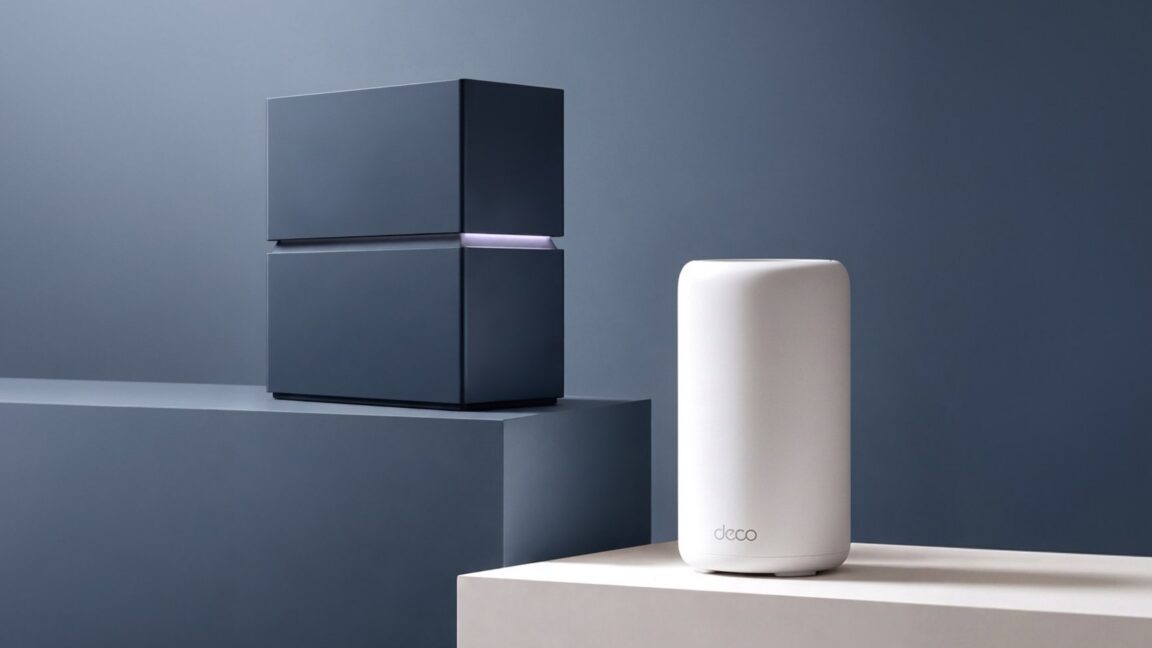
LiFi, which carries internet data through light instead of radio waves, is already working outside the lab. A BBC Radio 4 profile of Harald Haas, the researcher behind much of its progress, shows how a desk lamp became a symbol of the idea.

Wireless·Nov 21, 2026

Your Next Internet Connection Could Come From a Light Bulb

Stay in the loop

Follow Sciencepulse on Telegram

Join →

Fruit Flies and Hoverflies Show How Much Insects Can Change

A new episode of the programme Metamorphosis, presented by Dr Erica McAlister, looks at the fruit fly, one of the most studied animals in science, and the hoverfly, whose life cycle may be the most dramatic transformation in the animal kingdom.

Science·Nov 21, 2026

Fruit Flies and Hoverflies Show How Much Insects Can Change

The Flies That Keep Time, and the Butterfly That Hides in Light

Blowflies are more useful to investigators than most people realise, and the shimmering blue wings of the Morpho butterfly get their colour from microscopic structure rather than pigment, a trick that helps it hide and has drawn commercial interest.

Science·Nov 21, 2026

The Flies That Keep Time, and the Butterfly That Hides in Light

Stay in the loop

Follow Sciencepulse on Telegram

Join →

Two Million Canaries Suggest AI Prompts Don't Stay Private

A researcher seeded about two million unique, trackable secrets into prompts sent through the AI supply chain and found the data did not stay private. The results point to leaks well beyond the app a user actually typed into.

AI Privacy·Nov 21, 2026

Two Million Canaries Suggest AI Prompts Don't Stay Private

Stay in the loop

Follow Sciencepulse on Telegram

Join →

Are Allergies Really on the Rise? What the Evidence Shows

Allergies appear to be increasing in many wealthy countries, though researchers still argue about how much of that is real. Here is what allergies are, what the evidence says about prevention, and how doctors separate a true allergy from a false alarm.

Health·Nov 21, 2026

Are Allergies Really on the Rise? What the Evidence Shows

Feds Promise Answers on Nationwide FAA Ground Stop

US officials say they will soon disclose the root cause of a nationwide FAA ground stop. A former agency insider is warning that upgrading the decades-old system carries its own risks.

Aviation·Nov 21, 2026

Feds Promise Answers on Nationwide FAA Ground Stop

Indri Lemurs Sing Like Opera Singers, and Scientists Are Tuning In

Madagascar's indri lemurs project their songs across the rainforest using vocal tricks that resemble those of trained sopranos. New research on their jaw movements and acoustic monitoring could also help conservationists track a species under pressure.

Science·Nov 21, 2026

Stay in the loop

Follow Sciencepulse on Telegram

Join →

Reading Earth's Past to Plan for Its Climate Future

Oxford geochemist Gideon Henderson dates ancient ice ages using radioactive isotopes in deep-sea and cave samples, and he also advises the UK government on gene-edited food and wastewater Covid surveillance.

Climate Science·Nov 21, 2026

Reading Earth's Past to Plan for Its Climate Future

Stay in the loop

Follow Sciencepulse on Telegram

Join →

The Scientist Trying to Close Male Fertility's Blind Spot

Professor Chris Barratt, a leading male fertility researcher in Dundee, talks about his path into science, his work on sperm dysfunction, and why he sees a new male contraceptive pill as a potential game-changer.

Science·Nov 20, 2026

The Scientist Trying to Close Male Fertility's Blind Spot

Weight-Loss Drugs: Separating the Hype From the Science

GLP-1 drugs went from niche diabetes treatments to the best-known weight-loss medicines. A new Science Quickly episode asks what the research really shows, including the first GLP-1 pill approved for obesity.

Health Tech·Nov 20, 2026

Woodpeckers, a Record Flu Season, and AI Moving Off the Screen

A science and tech roundup covering how woodpeckers keep pounding without breaking their necks, a flu season that has set a grim record, early work on AI that reads sleep for signs of disease, and the shift toward physical AI at CES 2026.

Science·Nov 20, 2026

Stay in the loop

Follow Sciencepulse on Telegram

Join →