 Sciencepulse
A Fridge Hack Hit 700 Supermarkets, and Basic Security Gaps Made It Possible
Security·October 16, 2026
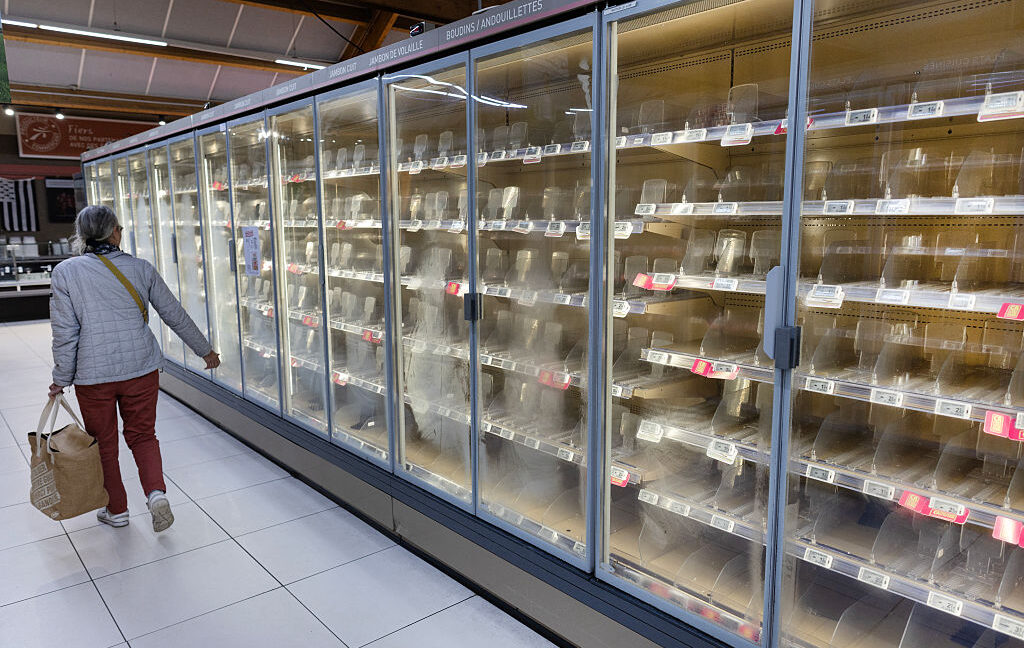
A cyberattack that targeted refrigeration equipment has reportedly cost supermarket operators millions of dollars and, in some cases, started fires. The incident reached about 700 stores. According to the reporting, the failure came down to basic security: outdated devices that should have been patched or retired were reachable from the internet.
Refrigeration units in grocery chains are more than cold boxes. Many are networked controllers that manage temperature, compressors and alarms, and facility teams often monitor them remotely from a central office. That convenience creates a path in. When a device is both out of date and visible online, an attacker needs little more than a known weakness and time to find it.
The fire risk is what turns this from a data or downtime problem into a physical one. Electrical and cooling equipment that is manipulated can overheat, and a store that loses control of its temperature also faces spoiled stock and possible health code violations. Retailers that treat these systems as facilities equipment rather than IT assets may not have anyone watching them closely.
The practical lessons are not complicated. Operators should inventory every connected device, including ones that were installed years ago and never appeared on an IT list. Management interfaces should sit behind a VPN or on segmented networks, not on public addresses. Hardware that has reached end of life should be replaced, and building-automation systems should fall under the same security review as payment systems. Many of these steps cost far less than the bill described in this incident.
The wider point is that a retail chain's attack surface now includes its walk-in coolers. Insurers and regulators are likely to ask harder questions about who is responsible for securing that equipment, and the answer will need to be more specific than "the vendor" or "the facilities team."
Reporting based on an external source.