 Sciencepulse
Antarctic Sea-Ice Loss Is Making Southern Ocean Water Saltier
Climate Science·October 29, 2026
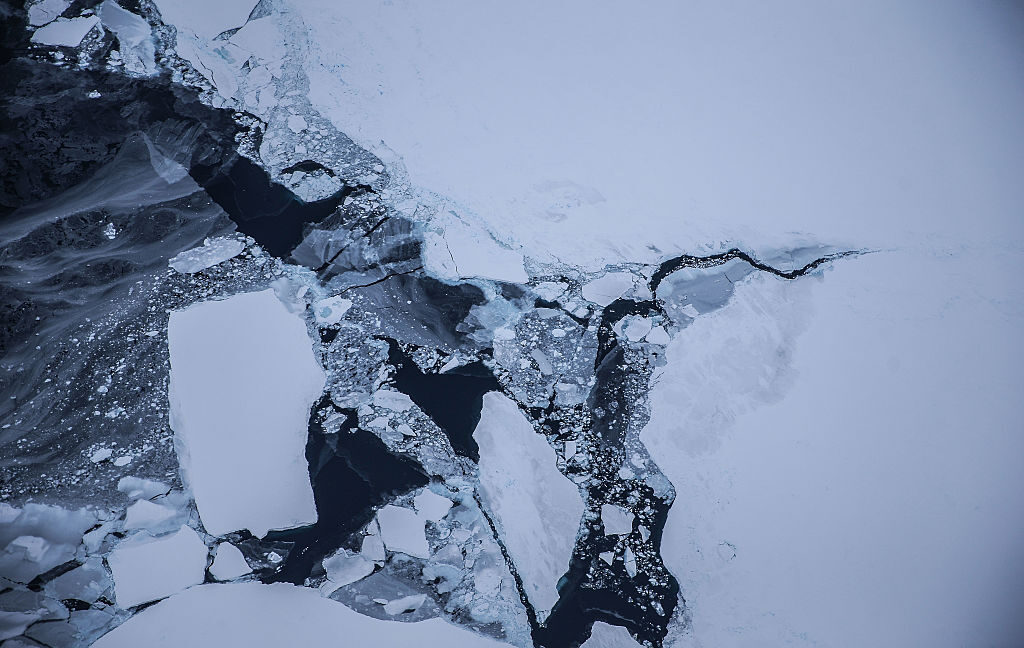
Much of the ocean change around Antarctica happens out of sight, beneath a seasonal cover of sea ice. A new line of research suggests that as that ice retreats, the water underneath is getting saltier, and the shift is altering the currents that move heat and carbon around the planet.
The link runs through melting. Each winter, seawater freezes into sea ice and leaves most of its salt behind in the water below. Each summer, the ice melts and releases fresh water into the ocean, which floats on top of the denser saltwater beneath it and keeps the layers distinct. When the sea ice shrinks, less of that freshwater reaches the surface. The top layer stays saltier and denser, so it mixes more readily with the water below.
That mixing matters because the Southern Ocean acts as a major engine of global circulation. Dense water sinks there and spreads northward along the seafloor, while the ocean's surface and deeper layers exchange heat and carbon dioxide. If the stratification that normally keeps those layers apart weakens, the balance of that exchange could shift, with consequences for regional weather, marine ecosystems and the rate at which the ocean absorbs carbon.
The available summary is brief, so it is worth being careful about what is known. The basic mechanism, that less sea ice means less freshwater at the surface, is well established in oceanography. What remains open is how quickly these changes will spread and how large their effects on global circulation could become. Scientists will likely keep tracking the trend with ship surveys, autonomous floats and satellite data, looking for whether the shift is a short-term swing or a lasting change in how the Southern Ocean behaves.
Reporting based on an external source.