 Sciencepulse
AT&T Says Comcast's "Fiber-Powered" Wi-Fi Is Really Cable, and Wants the Profits
Telecom·November 17, 2026
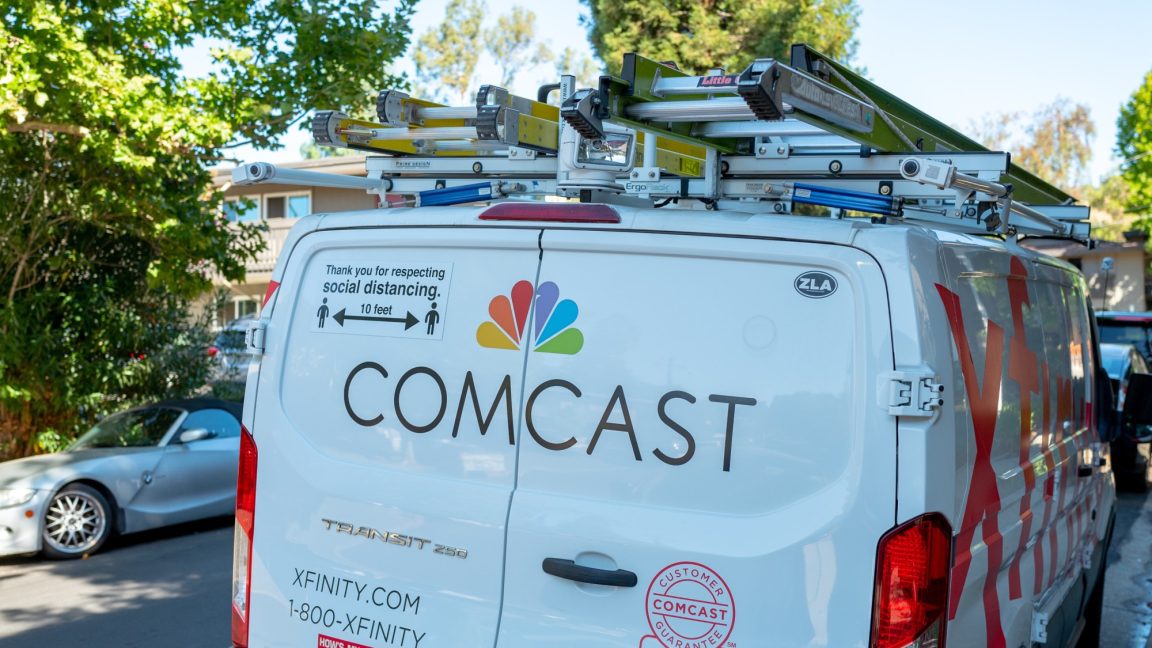
AT&T has gone to court over how Comcast markets its home internet service. In a false advertising case, AT&T argues that Comcast promotes its Wi-Fi as "fiber-powered" when the connection underneath is cable. AT&T is asking for the profits it says Comcast made from that pitch.
The dispute turns on a distinction that matters to many shoppers. Fiber networks carry data as pulses of light through glass strands. Cable broadband usually runs over coaxial copper, often in a hybrid setup where fiber reaches the neighborhood but not the home. Both can deliver fast speeds, and the architectures differ. Still, "fiber" is a word people associate with a specific kind of service, and it can steer a purchase. AT&T sells its own fiber internet, so it has a direct commercial reason to care how that word is used by rivals.
The core of AT&T's complaint is simple. It says Comcast's advertising presents cable service as fiber, which misleads buyers, and that Comcast should hand over the money it earned from those ads. False advertising claims between competing companies in the United States are typically brought under the federal Lanham Act, which lets courts order a defendant to surrender profits tied to misleading marketing. How a judge would calculate any such amount in this case is not yet clear.
The details available here cover AT&T's allegations only. Comcast's position and the procedural status of the case were not part of the source material, so the claims should be read as one side's argument until a court rules. Any decision will likely hinge on whether a reasonable customer would read "fiber-powered" as a claim about the wires running into the home, and on how much weight the ads place on that word.
Reporting based on an external source.