 Sciencepulse
Brazil GP: Tire Management Decides a Chaotic, Rain-Hit Race
Motorsport·November 10, 2026
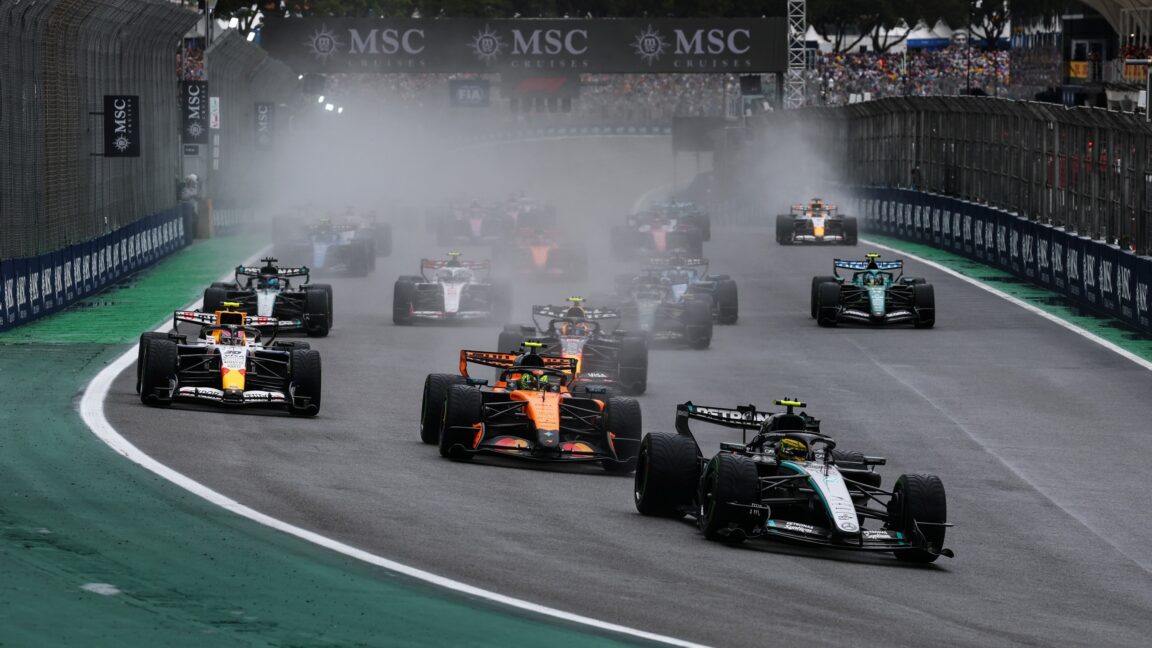
The Brazilian Grand Prix delivered the kind of race Formula 1 fans hope for: a grid that was shuffled out of its usual order and a track that kept changing its mind about the weather. Intermittent rain meant no team could hold a plan for long, and every stint became a gamble on when to pit and which compound to fit.
The lesson that echoed across the field was simple: you have to keep your tires alive. In changeable conditions, drivers who switched too early or picked the wrong compound could lose ground quickly, while those who nursed their rubber found themselves with grip when the surface dried or the next shower arrived. Engineers had to read the radar, the lap times and the wear on rival cars all at once, often making calls with only a handful of laps to go on.
The topsy-turvy grid added another layer. Cars starting further back had traffic to work through and more reason to take risks, while drivers near the front had to protect track position without giving away speed. The result was a race that rewarded patience as much as pace, with passes coming in bursts rather than as a steady stream.
For fans, the appeal is easy to see. The outcome did not hinge on a single pit window or a predictable tire strategy set before the lights went out. For teams, the weekend is a reminder that a strong car is not always enough when conditions refuse to settle. Brazil asked for good judgment as much as good machinery, and it got a race that kept everyone guessing until the end.
Reporting based on an external source.