 Sciencepulse
Can Math Survive When AI Gives the Answers?
AI·November 12, 2026
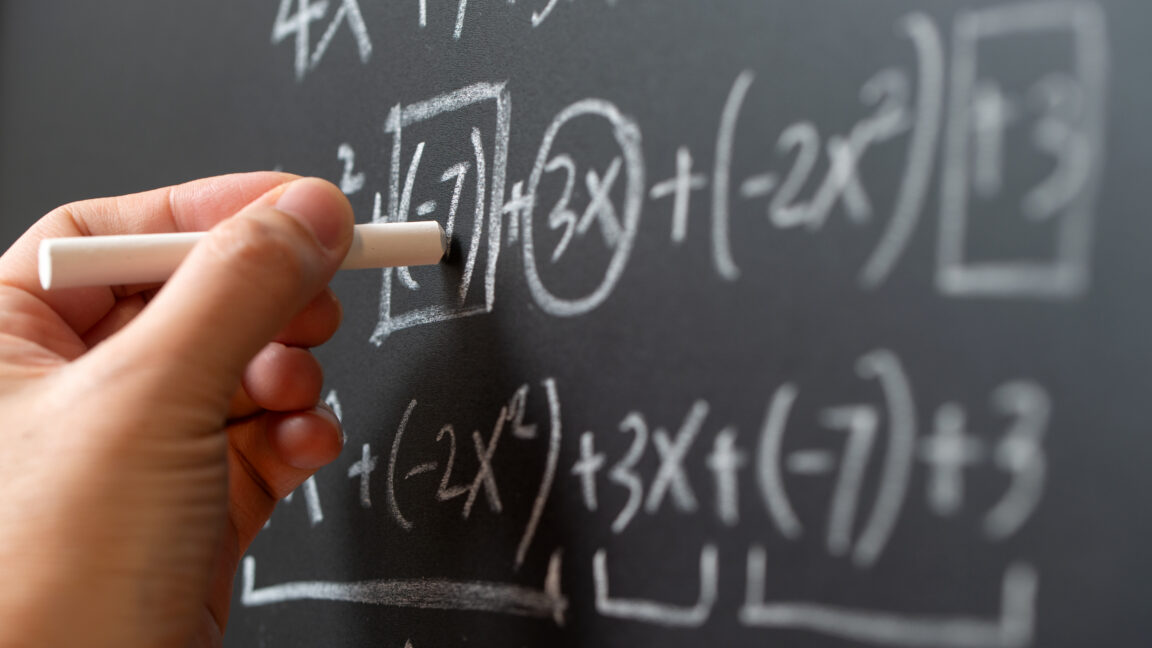
Mathematician Steven Strogatz has a new book, Big Math: The Hidden Codes That Run Our World, and in a recent discussion he returned to a question that is getting harder to avoid: what happens to mathematics once AI systems start handing out answers on request?
The worry has a practical edge. AI tools can now solve textbook problems, draft proofs, and explain technical results in fluent prose. Mathematics has always rested on the idea that a claim is only as good as the reasoning behind it. An answer that arrives without a visible chain of logic invites an obvious question. If a machine can say that something is true, does anyone still need to know why?
The stakes are not only academic. The "hidden codes" in the book's title refer to the mathematical patterns that quietly shape finance, medicine, engineering, and everyday technology. Those systems depend on people who can check a model, spot a subtle error, and ask whether the question was framed correctly in the first place. An oracle that is usually right but cannot explain itself is a risky thing to rely on when a small mistake can spread far.
There is a more hopeful reading too. Tools that take over routine calculation could leave researchers and students more time for the conceptual work, such as choosing good questions and recognizing when a result looks wrong. The open issue is whether people keep building that judgment or skip the slow struggle that produces it.
The available material on the discussion is brief, so this piece reflects the question the conversation raises rather than a full account of Strogatz's specific answers. For his complete argument, the book is the place to start.
Reporting based on an external source.