 Sciencepulse
COP31 Ends Without a Deal as Countries Split on Fossil Fuels and Climate Money
Climate·November 24, 2026
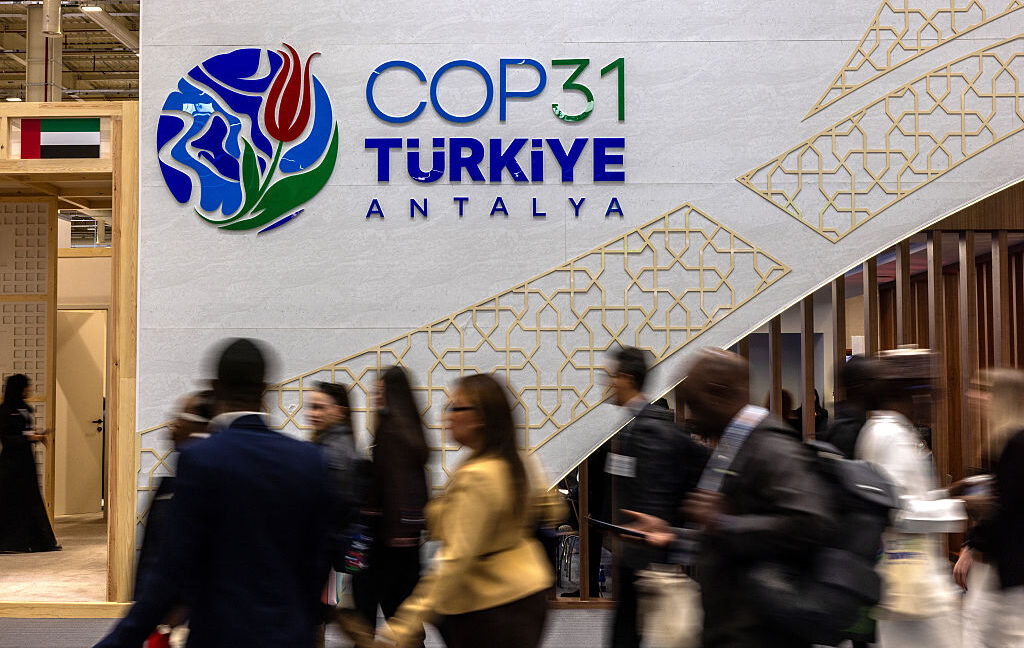
The UN climate summit known as COP31 closed without a consensus agreement, leaving delegates with no shared outcome to take home. It is the first time since 2009 that the annual talks have ended this way, a sign of how hard it has become to get nearly 200 countries to sign off on a single text.
The disputes that stalled the talks are the same ones that have run through recent conferences. The first is fossil fuels: how far the final text should go in committing countries to cut or phase out coal, oil and gas, and how firm that commitment should be. The second is climate finance, meaning the money wealthier nations provide to help poorer countries cut emissions and adapt to floods, droughts and rising seas. Negotiators could not bridge the gap on either issue in time to produce a deal.
Because the UN process works by consensus, a small number of holdouts can block an agreement that most of the room supports. That makes the outcome a test of whether the framework can still deliver binding progress, or whether countries will increasingly rely on smaller coalitions and national plans instead.
The last comparable breakdown came in 2009, when the Copenhagen conference ended with a non-binding accord that delegates only noted. That episode eventually gave way to the Paris Agreement in 2015. Whether COP31 becomes a similar turning point or a more lasting stall will depend on what governments do before the next round of talks.
Reporting based on an external source.