 Sciencepulse
Genes and Digs Are Rewriting the Story of the Bantu Expansion
Science·November 8, 2026
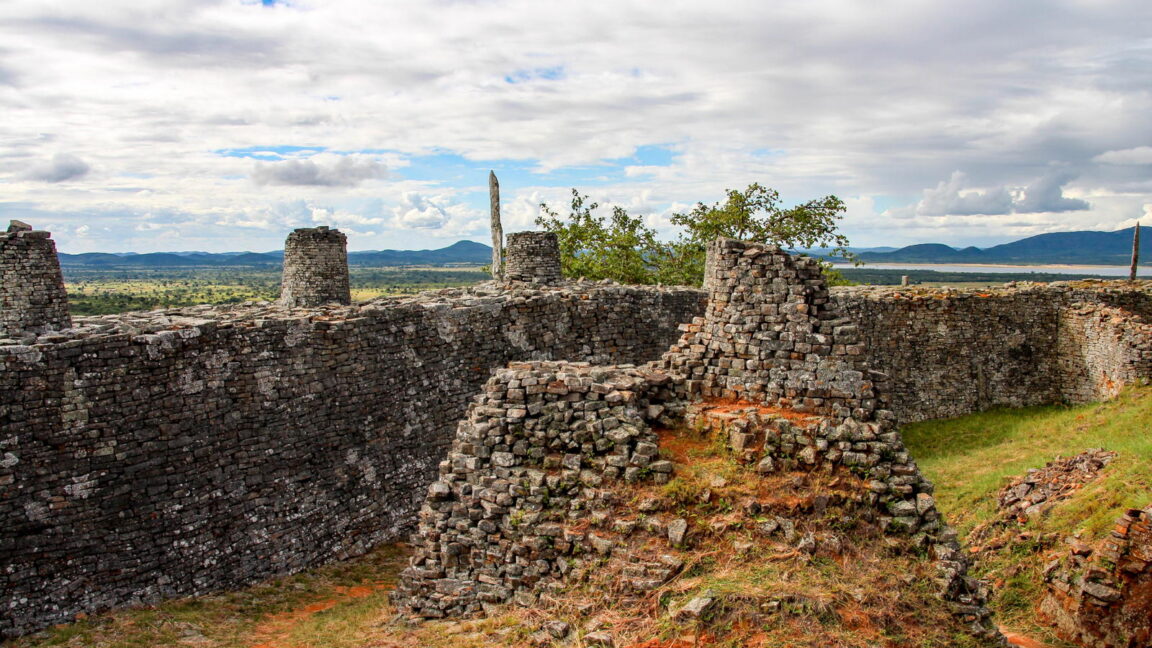
Few movements shaped the modern map of Africa as much as the spread of Bantu-speaking peoples. Starting from a homeland in the forests and grasslands near today's Cameroon and Nigeria, families and communities moved outward over several thousand years. They carried farming, ironworking, and a family of related languages that now includes several hundred tongues spoken from Cameroon to South Africa. Their descendants today number in the hundreds of millions.
The movement was never a single march. For decades, scholars relied mostly on language. By comparing vocabulary across languages, linguists reconstructed a common ancestor and mapped how its branches diverged. Language alone, though, says little about who moved, whether migrants intermarried with people already living there, or how fast the process unfolded. Those gaps are what newer research is trying to close.
Archaeology supplies the physical trail. Distinctive pottery styles, iron smelting sites, and remains of domesticated crops such as sorghum, pearl millet, and yams mark where settlements appeared and roughly when. Researchers pair these finds with radiocarbon dates to build timelines. In many regions the evidence suggests farming villages took root in new territory faster than the earlier inhabitants could adjust, although the pace differed widely from one area to the next.
Genetics has added a second layer. By comparing DNA from present-day populations and, increasingly, from ancient individuals, scientists can detect when different ancestries mixed. Many Bantu-speaking groups carry substantial ancestry from earlier hunter-gatherer populations, which points to assimilation rather than simple replacement. Some studies also suggest multiple waves of movement, along with periods when migrants stayed in one place long enough to blend with their neighbors.
The picture is still incomplete. Ancient DNA from sub-Saharan Africa is scarce because warm, humid conditions break down organic material, and many promising sites have never been sampled systematically. Researchers also disagree on dates and routes. Some models describe a relatively quick spread along savanna corridors, while others picture slower, gradual growth of farming communities over many centuries. Each new excavation or genome sequence can shift the balance between those views.
Why it matters goes beyond academic curiosity. Understanding the expansion helps explain why languages, crops, and genetic diversity are distributed the way they are today. Population history also shapes disease risk and the genetic variants that medical researchers study, so getting the past right has practical value for health research. For many historians, the work also offers a fuller account of African history, one that traces the continent's own migrations in detail rather than treating them as a backdrop.
Scientists expect the next decade of sampling, dating, and sequencing to refine the current model and possibly overturn parts of it. For now, the Bantu expansion stands as one of the clearest examples of how language, archaeology, and genetics can be combined to reconstruct a past that no written record fully captures.
Reporting based on an external source.