 Sciencepulse
Half of NASA's Aging Mars Fleet Is Sidelined by Technical Trouble
Space·November 25, 2026
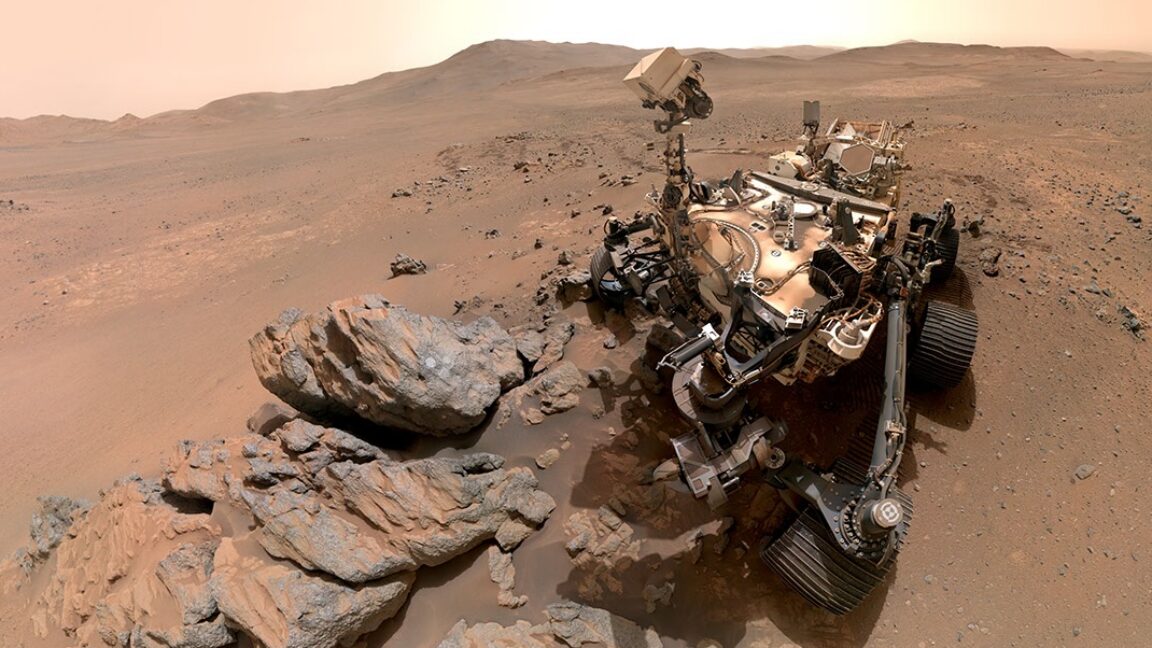
NASA is dealing with a rough stretch at Mars. Half of the agency's aging fleet on and around the Red Planet is offline or close to it, and the causes are two separate problems. The rover Perseverance is having trouble transmitting data back to Earth, which cuts off the main route for getting its findings to scientists. Meanwhile, the orbiter Mars Odyssey, which has been circling Mars since 2001, is using up its remaining fuel much faster than its supply can comfortably support.
The two problems are very different in kind. A communications fault is the sort of thing engineers can sometimes work around, by changing how the spacecraft talks to Earth, adjusting software, or routing data through other spacecraft already in orbit. Fuel is a harder limit. Once propellant runs low, a spacecraft can no longer make the small maneuvers that keep its orbit and orientation stable, and no software update can create more of it.
Odyssey is the more time-sensitive case because the clock is visibly running. Its fuel reserve is draining quickly, which leaves a shrinking window for whatever useful work remains before the orbiter can no longer be steered with confidence. Mission teams will have to decide how to spend that time, and each choice carries trade-offs between science and survival.
The stakes go beyond any single spacecraft. Mars orbiters have long doubled as relay stations, passing messages between surface rovers and Earth. If Odyssey goes quiet while Perseverance's own link stays degraded, the network loses a relay and a science platform at the same time, which would leave fewer ways to hear from the planet's active machines.
The wider story is the age of the fleet. Many of these missions were designed for a few years of operation and have lasted far longer than their planners expected, which is a remarkable engineering achievement. It also means the hardware is less forgiving of surprises, and every failure now has less margin behind it.
What happens next will depend on how quickly engineers can diagnose the communications problem and how much fuel Odyssey has left. Those answers will determine how much of NASA's Mars network can keep working in the months ahead.
Reporting based on an external source.