 Sciencepulse
Lockdowns Cut Global Fire Activity by 12.3 Percent
Climate·November 16, 2026
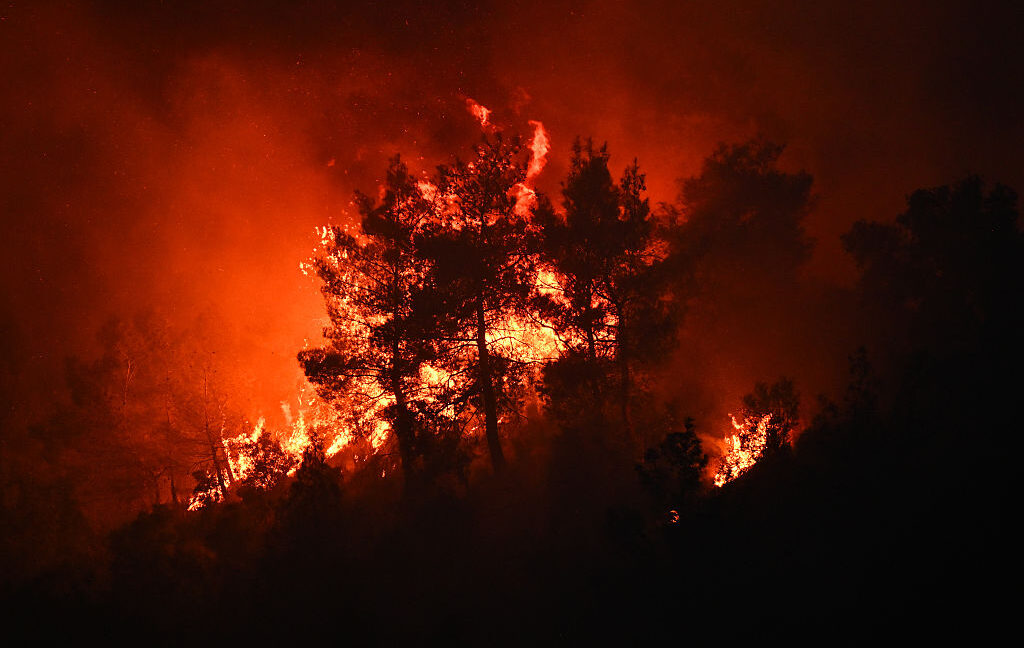
When governments ordered people indoors in 2020, the changes were visible from orbit. Traffic thinned, flights were grounded and factories slowed. New figures now suggest the world's fires quieted down too, with global fire activity falling by 12.3 percent during the lockdown period.
The result matters because many fires are not purely natural. A large share begin with people, whether from clearing land for farming, burning crop residue, controlled burns, or accidental sparks from machinery, vehicles and campfires. When movement and economic activity drop, the number of ignitions can drop with them. Weather and climate still determine how easily a spark spreads, but they do not decide whether one appears in the first place.
That distinction is what makes the finding useful. Weather explains much of the year-to-year swing in fire activity, which makes the human role hard to isolate. The lockdown period offered something closer to a natural experiment, a window in which the human side of the equation changed sharply while conditions like heat, drought and wind kept doing what they normally do.
The pause was temporary. As restrictions lifted and economies reopened, ordinary patterns of burning returned, and fire seasons in many regions have continued to be shaped by a warming climate. The lesson is less that lockdowns offer a solution and more that human ignition is a lever that can be measured and, potentially, managed.
For land managers and policymakers, the takeaway is practical. Strategies that focus only on suppressing fires after they start miss the many ignitions that come from routine work. Tighter rules on agricultural burning, better public education, and closer monitoring of high-risk ignition sources could reduce both emissions and damage. The lockdown data gives planners a rough benchmark for how much those everyday choices can matter.
Reporting based on an external source.