 Sciencepulse
NASA's Moon Race Edge May Be in How It Buys Things
Space Policy·November 12, 2026
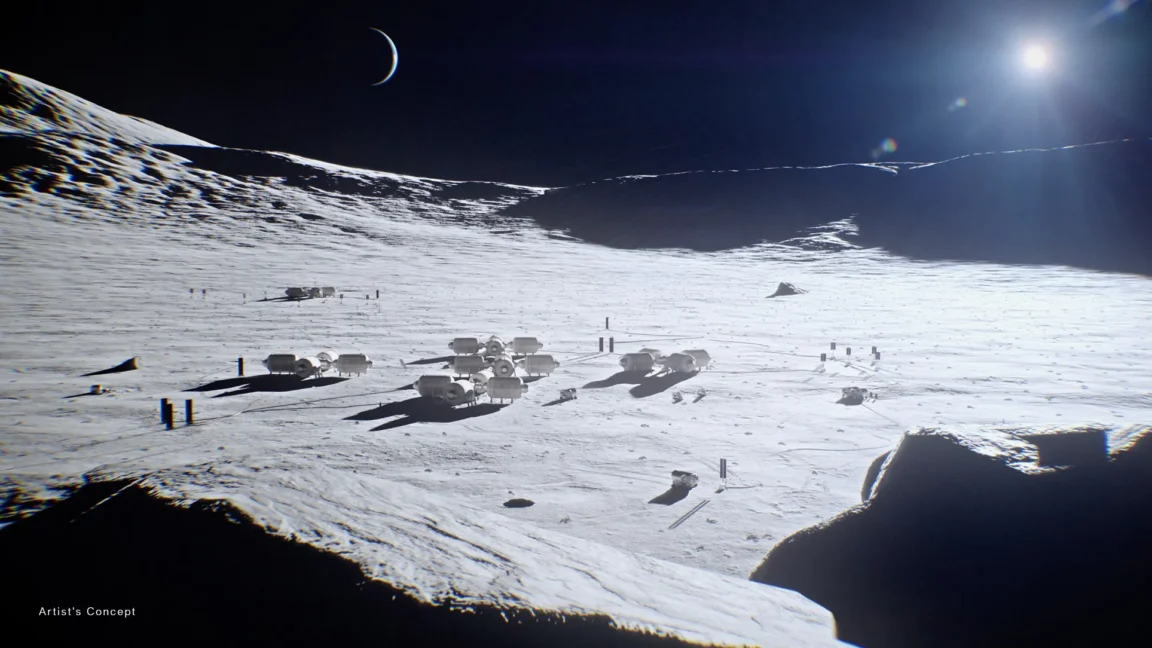
NASA has spent the last several years changing how it buys spacecraft and services, and a recent quote suggests that change is moving faster than many expected. The line, "The pace that's occurring, and the nature of the procurements, is unprecedented," points to a shift in how the agency awards and manages lunar contracts, not only to the hardware itself.
The traditional model had NASA define a mission in detail and pay contractors to build it under long cost-plus agreements. Over the past decade the agency has leaned more on fixed-price contracts, commercial service purchases, and competitions that let several companies bid for the same goal. Programs such as Commercial Lunar Payload Services, which uses private landers to deliver science and technology payloads to the surface, and the human landing system work with SpaceX and Blue Origin reflect that approach.
Why would buying methods matter so much? Lunar missions are expensive, politically visible, and prone to schedule slips. Faster, more flexible procurement can shorten the gap between a contract award and a launch, and it lets NASA pay for results instead of paying for process. Spreading work across companies also reduces the chance that one stalled program leaves the whole effort waiting.
Whether this works is still an open question. Fixed-price deals push cost risk onto contractors, but they can also tempt companies to cut corners or to walk away when a mission gets difficult. Congressional budgets, oversight reports, and the performance of the first landers will show whether faster buying turns into faster landings.
The source item is brief, so the specific contracts and timelines behind the quote are not clear from it alone. What does come through is that the people managing the program see the current pace as a clear break from the past. In a race measured in years, the way NASA signs its contracts may end up mattering as much as the rockets it funds.
Reporting based on an external source.