 Sciencepulse
Prison Phone Jamming Could Reach Well Beyond the Walls
Telecom·November 21, 2026
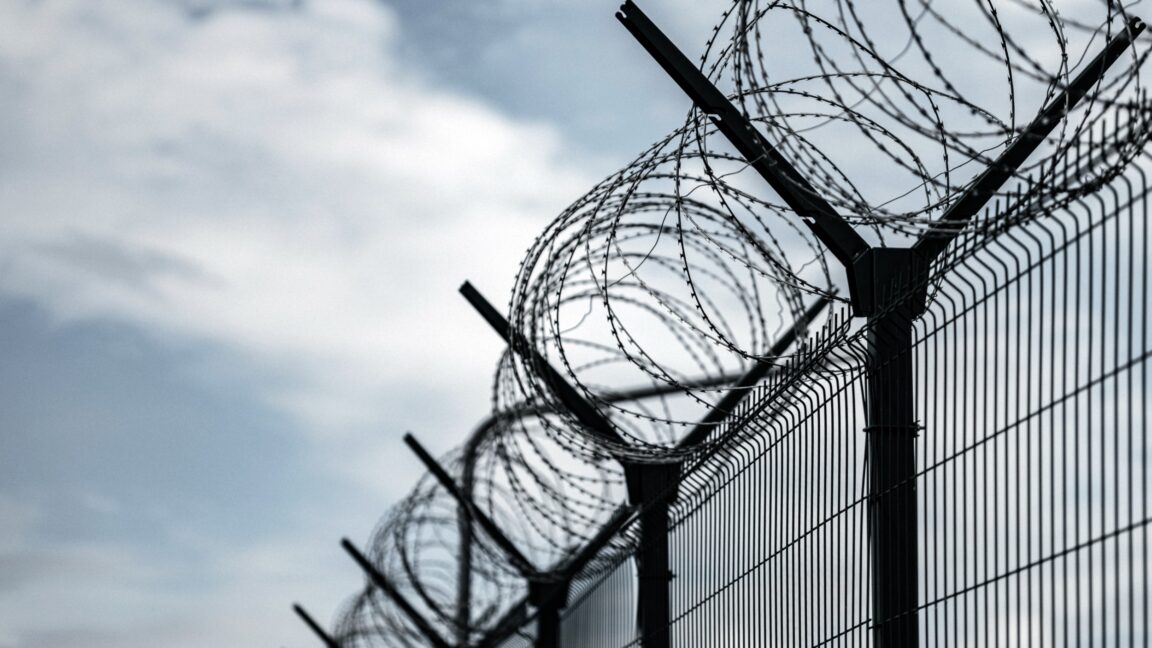
Prisons may soon be allowed to block cellphone signals inside their walls, a change aimed at the smuggled handsets that have long fueled gang coordination and scams run from behind bars. The wireless industry, however, says the technology does not stop at the prison fence.
The CTIA, the trade group that represents carriers and device makers, says a jamming test showed interference "up to two and a half miles away." That is a significant figure. Jammers work by flooding a range of frequencies with noise, so any phone tuned to those frequencies nearby can lose service, including phones belonging to people who have nothing to do with the facility. Depending on terrain and equipment power, that could reach homes, businesses, schools, and hospitals, and it could also affect the communications that first responders rely on in the area.
Jamming has been off limits for most users in the United States for decades, largely because of the risk to 911 calls and public safety radio. Carving out an exception for correctional facilities is therefore a notable shift, and it puts the question of how narrowly the rules are drawn front and center. The CTIA's concern is that a permission granted for one purpose can spread interference well beyond the area it was meant to cover.
Contraband phones are a real problem for corrections officials. Inmates use them to plan attacks, run fraud schemes, and stay in touch with people outside. Prisons have spent years trying other approaches, including body scanners, cell-detection systems, and requests that carriers cut off specific devices. Supporters of jamming argue that those tools are slow, costly, or incomplete, and that a direct signal block is the most reliable way to stop the calls.
Several details remain open. It is not yet clear how the rules will be written, whether operators will have to limit signal reach, who will handle complaints from people outside the facility, or how emergency calls in surrounding areas will be protected. Those answers will determine whether the change becomes a contained security tool or a source of disruption for everyone just beyond the fence.
Reporting based on an external source.