 Sciencepulse
Russia Reportedly Eyes Nuclear Weapon Launch Into Orbit as Soon as December
Space Security·November 24, 2026
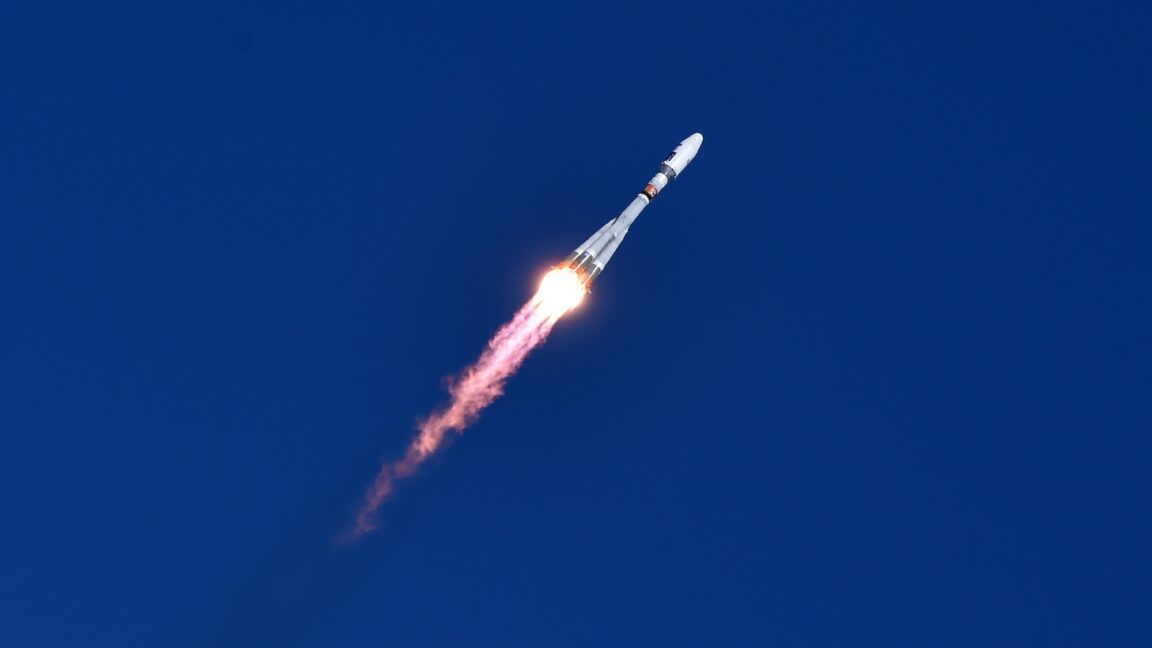
Reports say Russia could place a nuclear weapon in orbit as early as December, a step that would cut against one of the longest-standing norms in space policy. The warning at the center of the reporting is blunt: a nuclear detonation in space could cause rapid and sudden loss or degradation of thousands of satellites.
The reason a single blast could do so much damage comes down to physics. A nuclear explosion at high altitude releases a burst of gamma rays and charged particles that can overwhelm the electronics of nearby spacecraft, while the electromagnetic pulse it generates can disrupt systems over a wide area. Modern satellites include some protection, but low Earth orbit is crowded, and the effects would not stay confined to one craft. The United States learned this firsthand in 1962, when its Starfish Prime test over the Pacific damaged or disabled several satellites, including Telstar.
The stakes go well beyond the military. Navigation, the precise timing that power grids and financial networks rely on, weather forecasting and global communications all run on orbital hardware. A sudden loss of that many satellites would ripple through ordinary life long before it registered as a security crisis.
The legal backdrop is clear on paper. The 1967 Outer Space Treaty, which Russia has signed, bars placing nuclear weapons or other weapons of mass destruction in orbit around the Earth, on the Moon or on any other celestial body. The 1963 Partial Test Ban Treaty separately prohibits nuclear explosions in outer space. Concern about Moscow's intentions is not new, either. In 2024, U.S. officials publicly warned that Russia was pursuing a nuclear anti-satellite capability.
The source summary does not lay out the evidence behind the reports, the full timeline, or any official response from Moscow or Washington. Those details will shape how seriously the claim is taken. Until governments confirm or deny the plans, this remains reporting that has not been independently verified.
Several things are worth watching in the coming weeks: any statement from the Kremlin or the Russian Defense Ministry, whether U.S. and allied officials release information to back the claim, and whether any international body or arms control forum takes up the issue. Those responses should make clear whether this is a concrete plan or a warning meant to deter one.
Reporting based on an external source.