 Sciencepulse
Seabirds Flying Home Across the Ocean May Suffer Jet Lag
Science·November 1, 2026
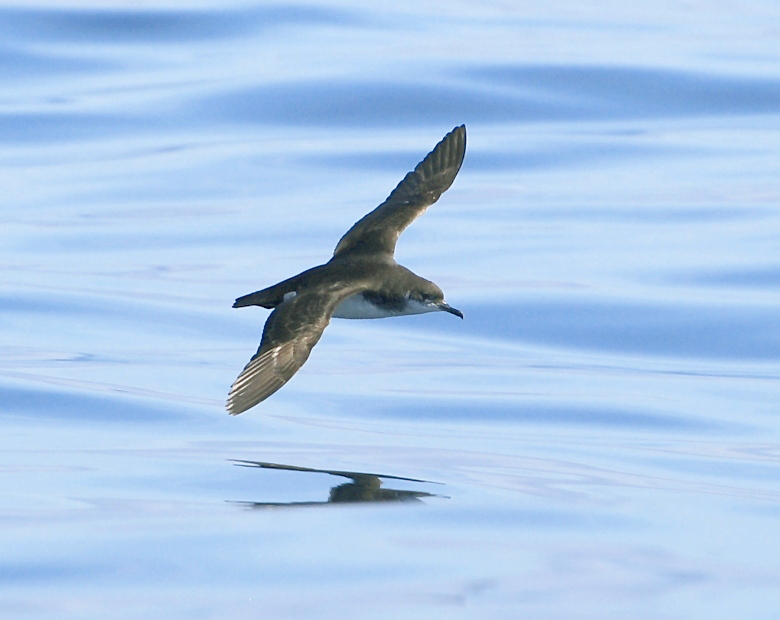
Many seabirds spend days or weeks foraging far out at sea, then fly long distances back to their nests. New research indicates that the return trip can throw off their internal clocks, producing an effect that looks a lot like the jet lag human travelers know well.
Animals rely on circadian rhythms, internal timing systems that coordinate sleep, feeding and other daily behavior with the cycle of day and night. Those rhythms are normally kept in step with the environment. A long flight can pull them out of sync, so the bird's body is running on a schedule that no longer matches the conditions around it.
The stakes are practical. Timing affects when a bird feeds, rests and navigates, and a bird that is out of step may be less efficient at the things it needs to do right after a demanding journey. The effect is a reminder that the physical stress of migration and commuting over water is not only about energy and distance.
The summary of the study is brief, so questions about which species were observed, how many birds were involved and how long the disruption lasts are best answered by the original research.
Reporting based on an external source.