 Sciencepulse
Sheffield Researchers Recreate the Glass Recipe Behind the Lycurgus Cup's Color Trick
Science·October 28, 2026
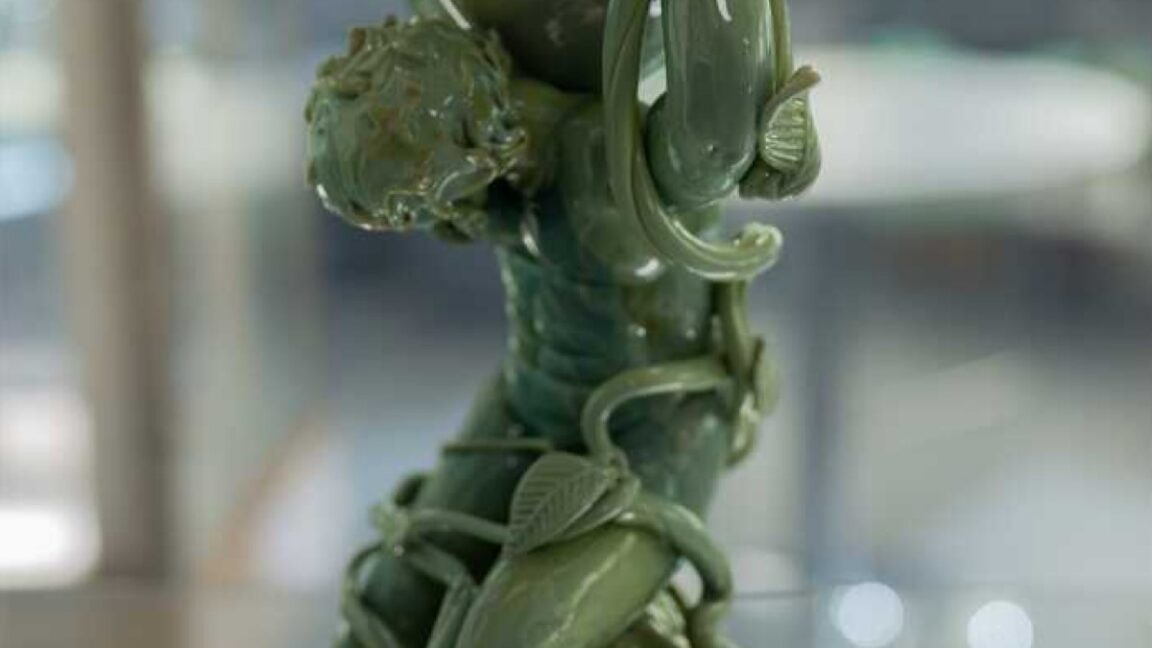
Few objects from antiquity behave as strangely as the Lycurgus Cup. The Roman glass vessel looks a murky green when light falls on it from the front and glows a deep red when a light source sits inside it. Scientists later traced the effect to tiny specks of gold and silver embedded in the glass, a result of a production process that Roman glassmakers clearly understood well enough to repeat, even if they did not describe it in writing.
Now researchers at the University of Sheffield say they have worked out how to reproduce that glass recipe, around 1,600 years after the original was made. The team has gone a step further than a lab demonstration. They used the recreated material to build a sculpture that reproduces the cup's unusual optical behavior, turning a museum piece people usually see only behind glass into something that shows the same effect in a new object.
The work matters for more than its visual appeal. Conservators, historians and archaeologists rely on understanding how ancient materials were made, whether they are restoring damaged objects, dating finds or testing theories about trade and craft. Surviving artifacts can only tell so much on their own. A working recipe gives researchers a way to check their assumptions by making the material themselves and seeing what it does.
The source material for this story is brief, so readers who want the chemistry, the exact composition or the specific firing methods should look for the researchers' own publication or the university's announcement. What is clear is that a fragment of Roman craftsmanship, once considered a puzzle, can now be made again in a modern workshop.
Reporting based on an external source.