 Sciencepulse
Software Wrings Sharper Exoplanet Images Out of Webb Data
Space Science·November 6, 2026
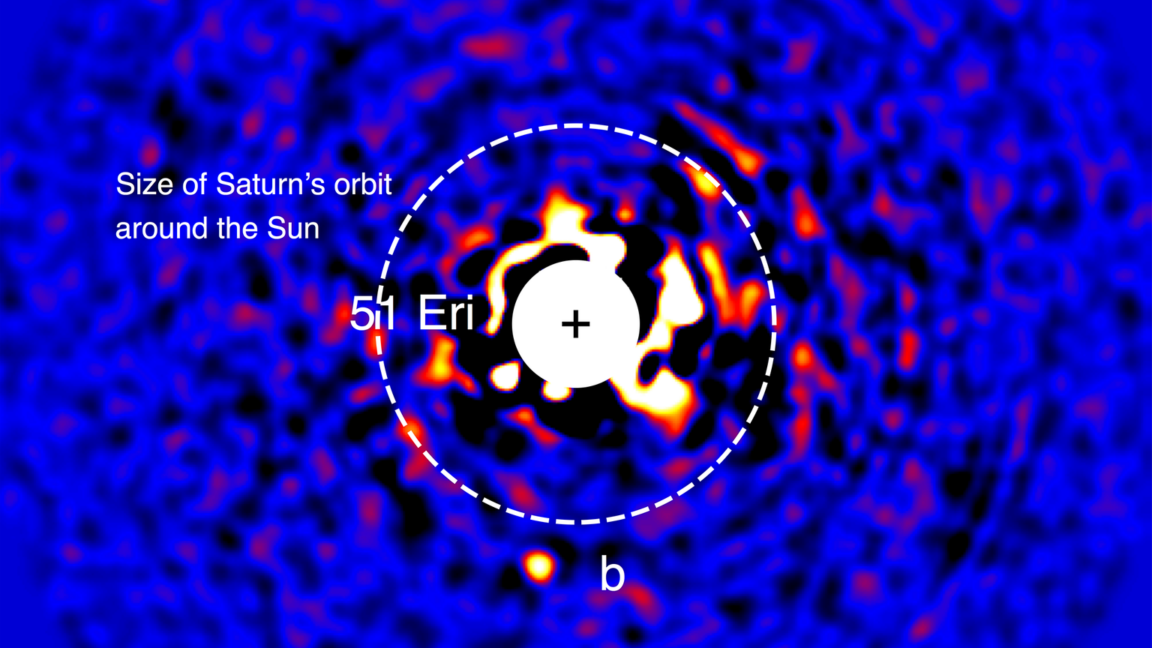
Astronomers may be able to get more out of the James Webb Space Telescope without building anything new. A piece of software now reported in the field works by refining a physical model of the telescope itself, then using that model to strip out the noise the hardware adds to each observation.
The approach matters because directly imaging an exoplanet is hard. A planet is usually far fainter than the star it orbits, and the telescope's optics spread starlight into patterns that can hide a planet or mimic one. Much of the trouble comes from the instrument rather than the sky. Any part of that instrumental noise that goes uncorrected sets a limit on how faint a world can be detected. A better model of the telescope lets the software separate what the hardware contributes from what the planet contributes.
That makes it a data problem as much as a hardware one. Improving the processing of observations that already exist means researchers may be able to dig into archival data or squeeze more detail from new observations without asking for extra telescope time, which is scarce.
The source material is brief. It does not say which instrument modes were used, which star systems were tested, or how much the noise was reduced. Those details will decide how far the gains extend, so readers should look to the original research before drawing firm conclusions about detection limits. Modeling the optics directly is an established idea in high-contrast imaging, so the contribution here appears to be in applying it more precisely to Webb's data.
Webb has already captured direct images of several giant planets. A cleaner processing pipeline could help astronomers look for smaller or cooler worlds, though that is a goal the approach points toward rather than a result described in the summary.
Reporting based on an external source.