 Sciencepulse
The Exoplanet That Stopped Crossing Its Star
Space·November 13, 2026
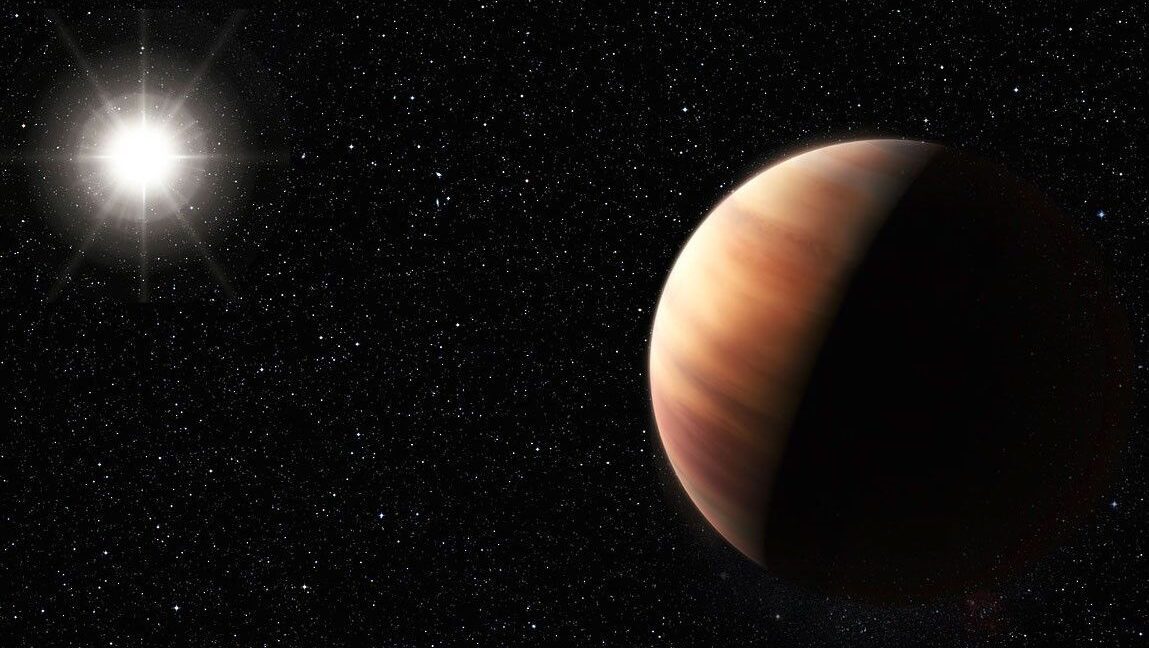
Astronomers find many distant planets by watching for transits, the small, regular dimming that occurs when a planet passes in front of its star as seen from Earth. A planet that keeps transiting gives scientists a dependable way to measure its size and orbit, and sometimes to study its atmosphere. So when one seems to stop transiting, it becomes a puzzle worth attention.
The report behind this story is brief. It says an exoplanet appears to have stopped transiting in front of its host star, meaning the expected dips in brightness are no longer showing up where they were predicted. The item does not give a full account of the observations, so the details of the case remain unclear.
There are several ordinary explanations to rule out before anything unusual is considered. The planet's orbit may be tilted or shifting, so its path no longer lines up with Earth's line of sight. The earlier signal could have been misread, perhaps because of instrument noise or light from a nearby star. Gaps in observing coverage can also make a transit look like it has vanished when the planet is still crossing, just outside the telescope's view.
Each of those possibilities calls for different follow-up work, such as checking archived data, scheduling new observations and modeling the planet's orbit. The case is a reminder of how much exoplanet science depends on repeated measurements. One missing transit is interesting, but it only becomes meaningful once independent data confirm it.
Reporting based on an external source.