 Sciencepulse
The Real Surgeon Behind Sherlock Holmes Finally Gets His Close-Up
Science·October 27, 2026
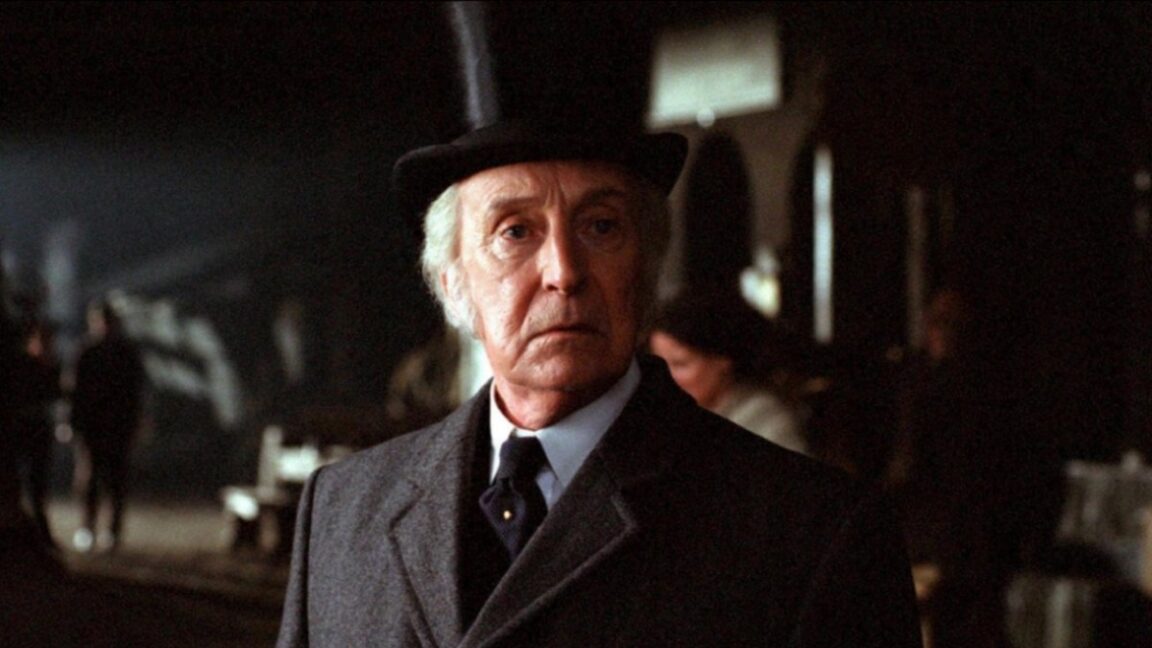
Most readers know Sherlock Holmes as a fictional creation of Arthur Conan Doyle, but the detective's most famous trait, the ability to read a stranger's history from a few small clues, came from a real man. In a conversation with Ars Technica, medical historian Lindsey Fitzharris makes the case for Joseph Bell, the Edinburgh surgeon who taught Doyle during his training and whose methods of diagnosis left a lasting mark on the character.
Bell worked at the Royal Infirmary of Edinburgh, where he trained young doctors to look closely at patients before reaching for a conclusion. He was known for picking out details that others missed, such as a patient's occupation, travel history or recent habits, from posture, speech and wear on clothing. Doyle, who worked as a clerk in the outpatient department, watched this up close. Years later, when he needed a consulting detective for his stories, he drew on what he had seen in that clinic.
Fitzharris's new book, Sleuth-Hound: The Case of the Real Sherlock Holmes, is built around that connection. She uses the interview to explain why Bell's story has been overshadowed by the fictional character who borrowed his talents. Her argument is that the surgeon's real career, with its mix of clinical rigor and public-facing showmanship, deserves to be understood on its own terms rather than as a footnote to literature.
The conversation also touches on the broader appeal of the Holmes-style method. Fitzharris, who writes often about the history of medicine, frames Bell's approach as an early form of evidence-based reasoning, a habit of testing assumptions against what can be seen and measured. That makes the book relevant beyond Victorian fans of crime fiction, especially for readers interested in how clinical science and investigative work developed side by side.
For readers who already know the stories, the interview offers a useful corrective. The hawk-eyed detective of the page is a composite, and the man who gave him his method was a working surgeon with patients, colleagues and a reputation to protect. Sleuth-Hound is Fitzharris's attempt to put that man back in view.
Reporting based on an external source.