 Sciencepulse
US Lawmaker Wants Game Buyers to Own Their Purchases, Not Just License Them
Policy·October 17, 2026
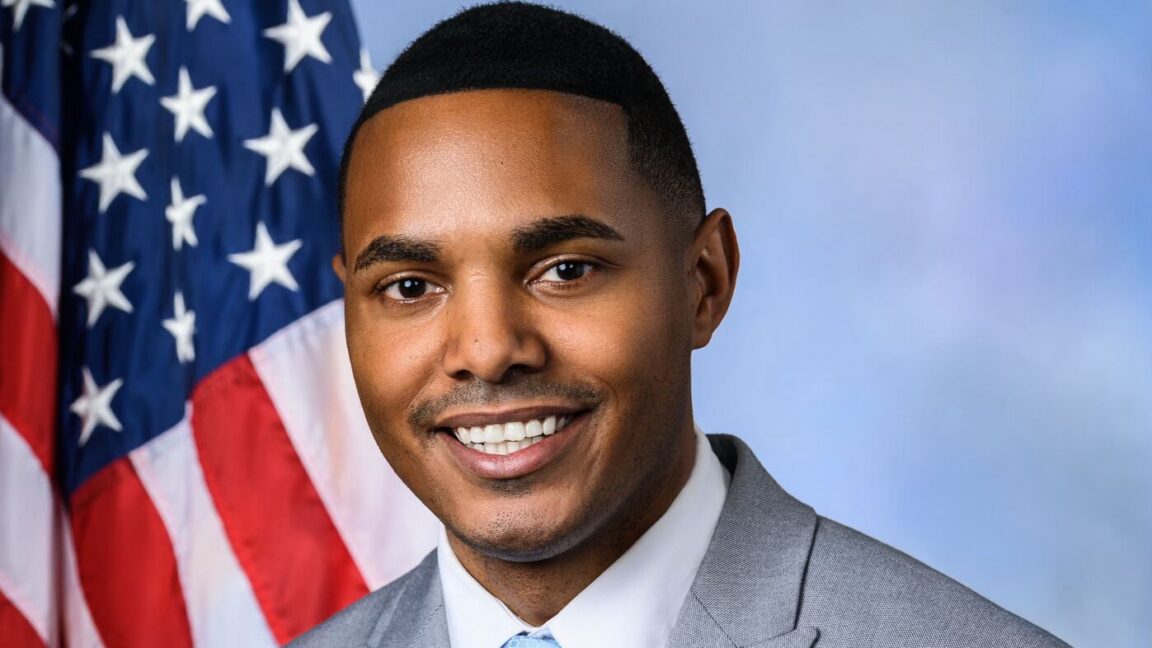
Most digital game purchases come with a fine print problem. When you buy a title on a storefront, you usually receive a license to play it, and the publisher or platform can revoke that access under the terms of its agreement. A US representative has now proposed a bill aimed at changing that arrangement, arguing that buyers should be treated as owners of what they pay for.
The source material for this story is brief, so it is worth being clear about what is known. A House member has put forward legislation with the goal of framing digital game purchases as ownership. The core idea is simple to state but harder to deliver. Players have long been told they "buy" games that can be delisted, locked behind server shutdowns, or removed from a library when an account closes. The licensing language in end-user agreements is what makes those outcomes legal.
The proposal is not expected to be a quick fix. It carries significant hurdles on two fronts. Technically, digital storefronts and online services are built around centralized accounts and servers, and making a purchase permanently playable raises questions about copy protection, offline access, and how a publisher keeps a game running after it stops supporting it. Legislatively, any rule that overrides standard license terms would have to withstand pressure from publishers and platforms, and a bill has to clear committee and floor votes before it has any practical effect.
For players, the appeal is easy to see. Preservation advocates have warned for years that games vanish when servers go dark, and buyers often have little recourse when a storefront pulls a title. Whether this proposal moves beyond introduction will depend on how lawmakers define ownership and what obligations they place on publishers. The bill text, once it is public, will show how far the idea is meant to reach.
Reporting based on an external source.