 Sciencepulse
Vulcan Failure Traced to Fuel Supply Shortfall, ULA Says
Space·November 19, 2026
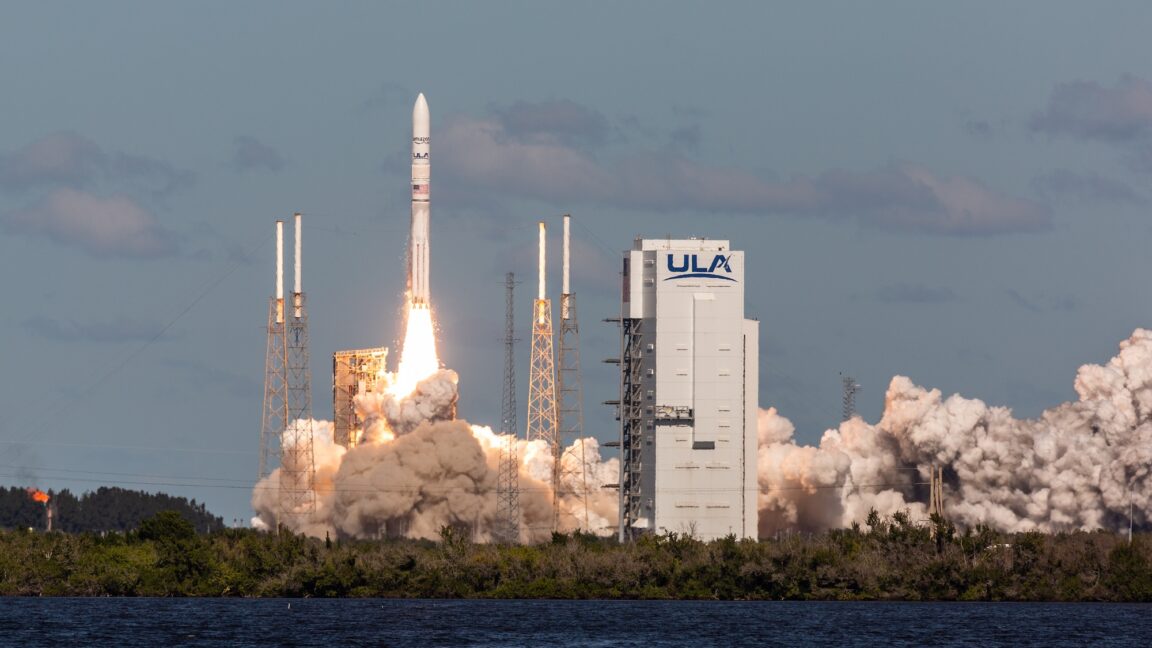
United Launch Alliance has pinned the failure of a Vulcan rocket on an inadequate supply of fuel to its engines. The explanation points to the propellant feed system rather than to a flaw in the rocket's overall design, although the company's statement did not lay out every technical detail of what went wrong.
For a launch provider, an engine that does not receive enough fuel is a serious problem. Rocket engines need a steady, properly pressurized flow of propellant, and when that flow falls short, they cannot produce the thrust a mission requires. Engineers usually reconstruct events like this from telemetry and hardware reviews before settling on a cause and a fix. ULA's attribution suggests its investigation has reached a specific conclusion.
The company kept its message focused on its relationships. In the statement, ULA said, "ULA is a valued partner, and we look forward to Vulcan's return to flight." That line signals that the company expects the rocket to fly again and that its customers and government partners are being kept informed.
Vulcan is ULA's main launch vehicle, and it carries both national security and commercial payloads. Its schedule matters because every grounded flight pushes back the missions that depend on it, and a delay of this kind can ripple through several customers' plans at once.
Several questions remain open. The company has not yet tied out every detail of the fuel shortfall in public, and it has not announced a date for the next launch. Watch for the formal findings, any changes to the fuel system, and a return-to-flight schedule. Until those arrive, the explanation stands as ULA's own account of what happened.
Reporting based on an external source.