 Sciencepulse
Weight-Loss Drugs Could Free Up Farmland Bigger Than Italy
Health Tech·November 23, 2026
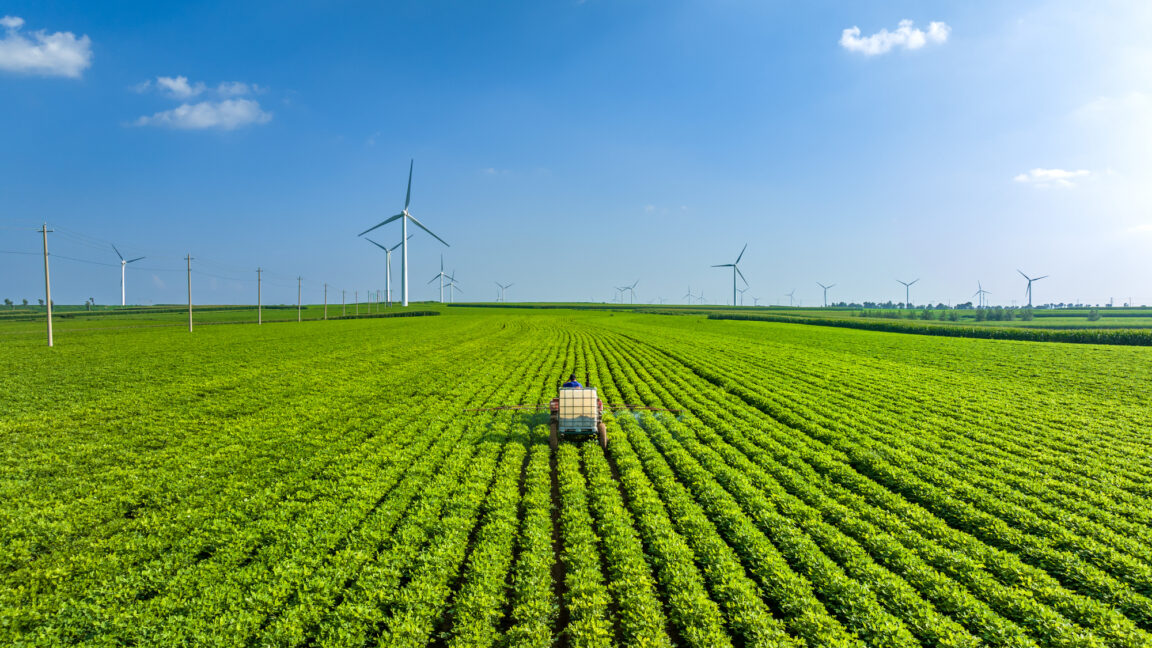
The drugs that have reshaped weight-loss medicine, including semaglutide and tirzepatide, are usually discussed in terms of patients, drugmakers and health outcomes. A new line of analysis points to a different consequence: the land they could spare. The estimate is that GLP-1 drugs could cut food demand enough to free up farmland larger than Italy.
The logic is straightforward. These medications work by reducing appetite and slowing how quickly the stomach empties, so people who take them tend to eat less. If that happens across a large population, less crop and livestock production is needed to feed everyone. Agriculture already occupies a huge share of the world's habitable land, and livestock in particular requires pasture and feed, so even modest drops in consumption can add up over billions of meals.
Italy covers roughly 300,000 square kilometers, which makes the comparison striking. Land returned from farming to forest, wetland or other natural cover could store carbon, protect habitat and ease pressure on freshwater. But the headline number is a projection, and its outcome rests on several assumptions: how many people take the drugs, how much their diets actually change, how food prices respond and whether the released land stays undeveloped rather than being picked up by other farming. Farmland that is no longer needed does not reliably return to nature on its own.
The finding also exposes a tension. GLP-1 drugs are expensive, and access varies widely across countries and income levels, so the environmental payoff depends on broad uptake that is far from guaranteed. Food producers may also shift what they grow rather than how much, which would blunt the effect. Still, the idea gives policymakers, climate researchers and investors another reason to watch GLP-1 adoption closely, since its consequences may reach well beyond the clinic and the pharmacy.
Reporting based on an external source.