 Sciencepulse
When Satellite Companies Start Building Rockets, the Launch Market Is Tough
Space·November 8, 2026
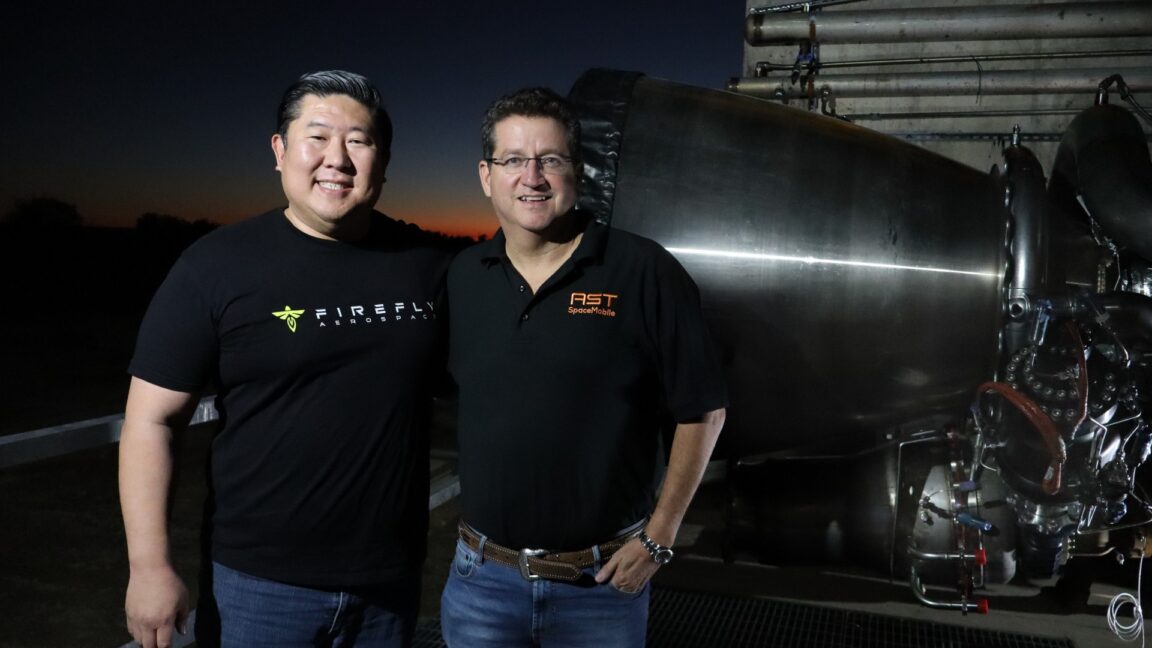
A satellite company building its own rocket is a telling move. Operators that once simply booked a ride to orbit are now deciding they need to provide the ride themselves. The Blacklift rocket is being presented as the foundation for a much larger business, and the company's language makes clear that the launch vehicle is meant to open new markets rather than just serve its own satellites.
The phrase "total addressable market" is doing a lot of work in that quote. For a satellite operator, owning a rocket can mean more control over schedules, costs, and when spacecraft actually reach orbit. It also means the company can sell launch services to other customers, which turns a major expense into a potential revenue line. That shift matters because launch has long been one of the most constrained parts of the space economy.
The move also points to the state of the launch market itself. Demand from satellite builders is strong, but getting a rocket into orbit remains expensive, and launch slots can be hard to secure on a timeline that fits a business plan. When a satellite firm decides the answer is to become a launch provider, it suggests that existing options are not meeting its needs or that it sees more money in selling access to space than in selling satellites alone.
Whether Blacklift delivers is a separate question. Rocket development is slow and unforgiving, and first flights often fail. The details to watch are the development timeline, the test schedule, and the customers the vehicle is designed to carry. For now, the core message is clear: the company is betting that owning a rocket is worth the cost and risk.
Reporting based on an external source.