 Sciencepulse
Yet Another Satellite Firm Eyes a Rocket, and This One Makes Sense
Space·November 18, 2026
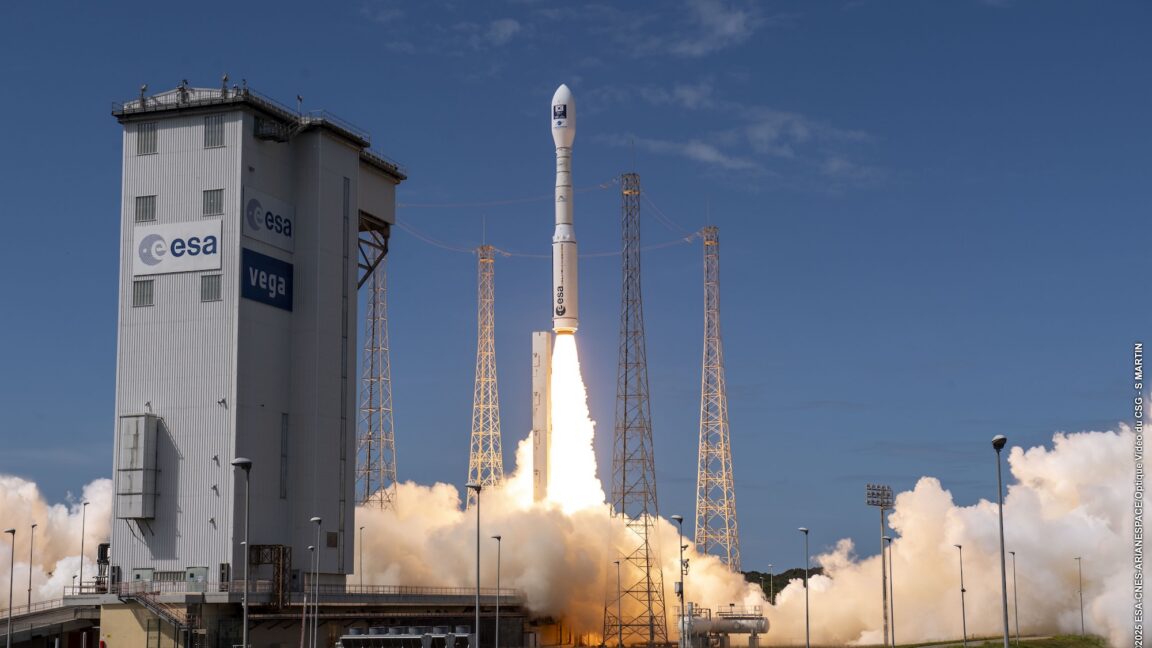
Satellite companies chasing rockets is no longer a surprise. The announcements have become routine enough that many readers now tune them out. This one deserves more attention because the reasoning behind it is about sovereignty, not just margins or ambition.
The core argument is that governments want control over the infrastructure that keeps their communications, navigation, and security systems running. When a country's satellites depend on launch providers based abroad, its access to orbit can hinge on someone else's schedule, export rules, or priorities. Europe feels that exposure more sharply than most. The region has relied heavily on a small number of launch providers for years, and it has repeatedly faced the uncomfortable prospect of waiting in line for access to space.
Owning a launch capability is no guarantee of success. Rockets are costly to develop, unforgiving of mistakes, and the market has a record of punishing latecomers. Still, a company that can put its payloads into orbit on terms its home government sets has an advantage that a satellite maker alone cannot offer. The open question is whether demand from governments and institutions will be strong enough to keep such a venture funded through its early failures.
For now, the move looks less like a vanity project and more like a response to a clear strategic need. Whether it pays off will depend on execution, but the logic behind it holds up.
Reporting based on an external source.