 Sciencepulse
Vineyards Find That Conservation Pays Off
Agtech·November 15, 2026
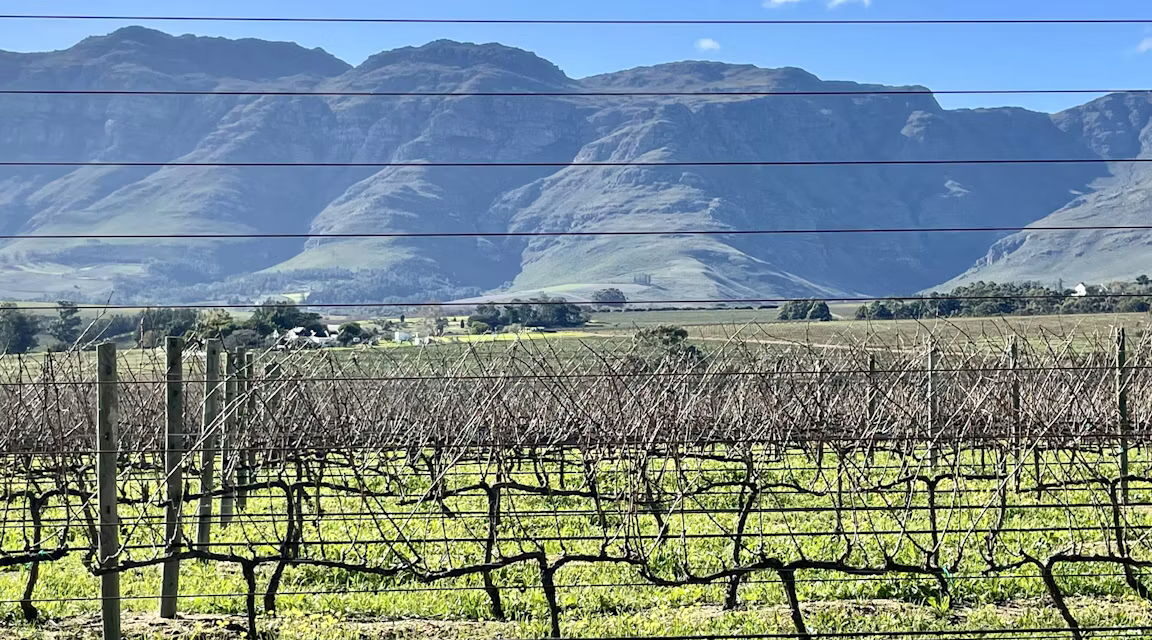
For years, many winemakers treated conservation as a cost to justify, something done for reputation or to satisfy regulators. A growing number now see it differently. Practices that protect the land are increasingly showing up as a practical way to keep vineyards productive and profitable.
The core ideas are straightforward. Healthier soil holds water better and supports the microbial life that helps vines take up nutrients, which can reduce how much growers have to buy. Planting native species along rows and at field edges can attract beneficial insects and wildlife, offering a natural way to manage pests. Cutting back on synthetic chemicals lowers input spending and eases pressure on nearby waterways and the people who work in the fields.
The bigger story is adaptation. Vineyards are dealing with hotter summers, irregular rainfall and more extreme weather. Land managed for resilience tends to absorb those swings better than land stripped down to a single crop. That gives growers a reason to invest before a crisis forces their hand, and it can make a property more appealing to buyers who ask about sustainability.
The shift is not free of tradeoffs. Changing practices can take several seasons to show results, and yields may dip during the transition. Growers also need reliable data and clear guidance on what works for their particular soils and climate. Still, the direction is clear enough that a growing number of producers now treat conservation less as a sacrifice and more as sound business.
Reporting based on an external source.