 Sciencepulse
Sri Lanka's Park Elephants Show the Limits of Community Resilience
Environment·November 14, 2026
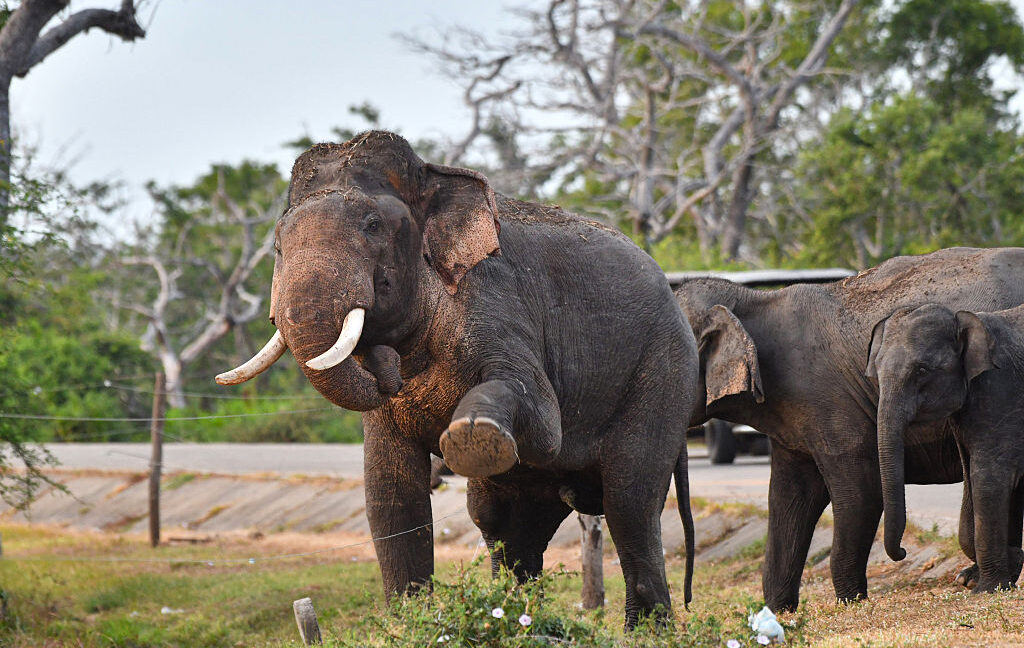
Elephant herds are known for their adaptability, and their social groups have long been treated as a model of resilience. A new report on a Sri Lankan park suggests that resilience has a ceiling. As ecological conditions in the area change, the park's elephant population is getting smaller.
The core problem is not one dramatic event but a gradual shift in the environment. Elephants depend on steady access to water, forage, and room to move between feeding areas. When those conditions erode, herds can adjust for a while by changing routes, diet, or range, but those adjustments cost energy and space. Past a certain point, the community cannot make up the difference, and numbers begin to fall.
The finding matters beyond one park. Protected areas are often assumed to be safe havens, yet ecological change can reduce what a reserve can support even when its borders stay in place. For conservation planners, the lesson is that monitoring population totals alone may miss how close a system is to its limit. Tracking the underlying conditions that sustain the herds is just as important.
The story is a reminder that resilience is real but finite, and that for wildlife in Sri Lanka and elsewhere, the margin for adjustment may be narrower than it appears.
Reporting based on an external source.